Donald J. Trump
President #45 • Republican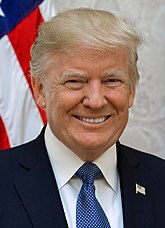
Summary
Positive
Trump's presidency achieved significant conservative policy goals, particularly in the judiciary and tax code, with the appointment of over 230 conservative judges and the enactment of the Tax Cuts and Jobs Act, which represented the most significant overhaul of the U.S. tax code since 1986. His administration also oversaw a robust economy with unemployment reaching a 50-year low of 3.5% before the pandemic.
Negative
Critics point to systemic failures, including a chaotic response to the COVID-19 pandemic that contributed to a high U.S. death toll, the erosion of democratic norms culminating in the January 6th Capitol attack, and the failure to repeal and replace the Affordable Care Act despite controlling the White House and Congress.
Basic Information
| Full Name | Donald J. Trump |
|---|---|
| Party | Republican |
| Term | Jan 20, 2017 - Jan 20, 2021 |
| Lifespan | Born 1946 |
| Vice President(s) | Mike Pence |
| Prior Office | Chairman of The Trump Organization ((1971–2017)) |
Education
| Degree | Bachelor of Science in economics |
|---|---|
| Studies | Wharton School of Finance and Commerce |
Election Results
| Election Year(s) | 2016 |
|---|---|
| Primary Opponent(s) | Hillary Clinton |
| Popular Vote | 62984828 (46.1%) |
| Electoral Votes | 304 / 538 |
| Voter Turnout | 60.1% |
Donald Trump's First Term: A Complex Legacy of Shock and Change
Donald Trump's First Term: A Complex Legacy of Shock and Change
Donald John Trump, the 45th President of the United States, took office on January 20, 2017, amid unprecedented circumstances. Unlike his predecessors who typically hailed from military or political backgrounds, Trump was a private business tycoon and television personality, making his ascent to the presidency a dramatic shift in American politics. His election represented not just a change in leadership but a seismic shift in the political landscape, revealing deep divides within the American electorate.
A Unique Background
Trump was born in Queens, New York, in 1946. His early life in a wealthy neighborhood and his education at elite institutions, such as the New York Military Academy and the Wharton School, helped shape his worldview. However, his relationship with military service was complicated. During the Vietnam War, he received deferments, raising questions about the disconnect between his military rhetoric as Commander-in-Chief and his personal history.
Having inherited his family’s real estate business, Trump transformed it into a global brand through a combination of ruthless business acumen and savvy media relations, notably through the reality show The Apprentice. This experience was pivotal in creating his transactional, media-centric approach to governance.
The 2016 Election: A Realignment
The 2016 presidential election was more than a simple contest between candidates; it marked a deep realignment in American politics. Trump’s unexpected victory over former Secretary of State Hillary Clinton reshaped the GOP, discarding traditional conservative principles for a more populist and protectionist agenda.
While Clinton won the national popular vote by approximately 2.9 million votes, Trump’s strategic focus on swing states allowed him to win the Electoral College decisively. Key victories in states like Pennsylvania, Michigan, and Wisconsin showcased a shift among working-class voters who felt alienated from the political elite.
Major Accomplishments
Trump's first term included several notable policy initiatives:
- The Tax Cuts and Jobs Act: Passed in December 2017, this legislation aimed at boosting the economy included significant cuts to the corporate tax rate. While it promised economic growth, critics pointed out that the long-term benefits often favored large corporations and wealthy individuals while leaving many citizens behind.
- Judicial Appointments: Trump focused on reshaping the federal judiciary, appointing three Supreme Court justices—Neil Gorsuch, Brett Kavanaugh, and Amy Coney Barrett—who solidified a 6-3 conservative majority that could influence American law for decades.
- Deregulation: His administration actively rolled back numerous regulations, particularly in environmental protection and healthcare, framing these actions as critical to economic growth.
These accomplishments were often celebrated by his supporters as evidence of a presidency that was disrupting a stagnant political status quo. However, they also raised significant concerns among critics about the long-term implications for democratic governance and equality.
Controversies and Challenges
Trump's time in office was equally marked by controversy.
- Impeachment Trials: He became the first U.S. president to be impeached twice. The first impeachment centered on accusations of abuse of power related to a phone call with Ukraine’s president, while the second followed the Capitol riots on January 6, 2021, when he was charged with inciting an insurrection.
- Handling of the Pandemic: The COVID-19 crisis highlighted weaknesses in the administration's crisis management and public health response, culminating in widespread criticism for initially downplaying the virus's severity.
- Accusations of Corruption: Trump faced widespread allegations of conflicts of interest, particularly regarding his business dealings, which raised ethical concerns about adherence to the Emoluments Clause of the Constitution.
A Polarized Legacy
Trump's presidency elicited strong emotions and opinions. To many of his supporters, he represented a voice for the voiceless and a challenge to a political establishment that had failed them. For his detractors, he was a source of chaos and division, undermining trust in democratic institutions.
Historians often evaluate his legacy as dualistic. Many view him as an agent of necessary change, while others see a presidency that left the country more fractured than before. Regardless of one’s perspective, it’s clear that Trump’s administration has significantly influenced the broader American political landscape, setting the stage for ongoing debates about governance, democracy, and identity in the nation.
Conclusion
The first term of Donald Trump was not merely about policy achievements or failures; it was a time that redefined the expectations of the presidency. As America looks to the future, the impact of Trump’s actions and the changes he instituted will continue to be evaluated and felt for years to come. His presidency has irrevocably changed the GOP and reshaped the American political discourse, leaving a complex legacy that will fuel discussions on the roles of leadership, accountability, and the Democratic ethos in the United States.