Warren Gamaliel Harding
President #29 • Republican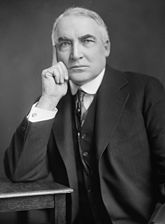
Summary
Positive
Harding successfully implemented the most significant reorganization of the federal budget in history, presided over an economic recovery of unprecedented speed, and orchestrated the only successful disarmament treaty of the 20th century.
Negative
The scandals that erupted posthumously created a cynicism toward government that persisted through the 1920s, and Harding's negligence allowed corruption to fester at the highest levels.
Basic Information
| Full Name | Warren Gamaliel Harding |
|---|---|
| Party | Republican |
| Term | Mar 4, 1921 - Aug 2, 1923 |
| Lifespan | 1865–1923 |
| Vice President(s) | Calvin Coolidge, (Succeeded to presidency) |
| Prior Office | U.S. Senator (Class 3) from Ohio ((1915–1921)) |
| Note | (Died in office) |
Education
| Degree | Bachelor of Science |
|---|---|
| Studies | Unknown |
Election Results
| Election Year(s) | 1920 |
|---|---|
| Primary Opponent(s) | James M. Cox |
| Popular Vote | 16152200 (60.3%) |
| Electoral Votes | 404 / 531 |
| Voter Turnout | 49.2% |
Warren G. Harding: The President of Paradox and Scandal
Warren G. Harding: The President of Paradox and Scandal
Warren G. Harding's presidency, from 1921 to 1923, is often remembered for its controversies and scandals, especially the infamous Teapot Dome scandal. However, beyond the scandals, there lies a more complex story—a tale of achievement, profound transformation, and a desire for normalcy following the trials of World War I.
A Complex Background
Born on November 2, 1865, in Blooming Grove, Ohio, Harding came from humble beginnings. He was the oldest of eight siblings in a farming family, which gave him a relatable, down-to-earth appeal that resonated with many Americans. Despite a modest education, which included high school and a degree from a small college, his true education came from his experience as the owner and publisher of the Marion Daily Star. This role taught him the value of public opinion and the importance of keeping the community prosperous.
Harding's early political career was marked by an ability to navigate the complex factional politics of Ohio. He steadily climbed through local positions, eventually becoming a U.S. Senator in 1915. It was this background that set the stage for his eventual nomination for president.
Rising Through the Ranks
The political landscape of the early 20th century was tumultuous, with deep divides between different factions of the Republican Party. In 1920, during the chaotic Republican National Convention, Harding was seen as a compromise candidate. With clever campaigning that portrayed him as “everybody’s second choice,” he emerged victorious amidst a divided party. His slogan, “Return to Normalcy,