William Howard Taft
President #27 • Republican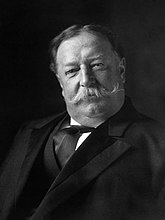
Summary
Positive
William Howard Taft's presidency was marked by significant achievements in antitrust enforcement, where his administration initiated over 80 antitrust suits, more than double that of his predecessor. He supported the 16th Amendment allowing for a federal income tax and established the Department of Labor and the Children's Bureau, marking a significant federal entry into social welfare. His judicial appointments reshaped the Supreme Court, solidifying a conservative legal philosophy.
Negative
Taft's presidency faced significant challenges, including the backlash from the Payne-Aldrich Tariff, which angered Progressives and damaged his reputation. His foreign policy, termed 'Dollar Diplomacy,' was criticized for failing to stabilize Latin America and for damaging relations with Japan and Russia. The Ballinger-Pinchot affair further alienated him from the Progressive wing of his party, leading to a catastrophic defeat in the 1912 election.
Basic Information
| Full Name | William Howard Taft |
|---|---|
| Party | Republican |
| Term | Mar 4, 1909 - Mar 4, 1913 |
| Lifespan | 1857–1930 |
| Vice President(s) | James S. Sherman, March 4, 1909 – October 30, 1912, (Died in office), Office vacant |
| Prior Office | 42 United States Secretary of War ((1904–1908)) |
Education
| Degree | Bachelor of Arts (B.A.), Bachelor of Laws (LL.B.) |
|---|---|
| Studies | Classical liberal arts, Law |
Election Results
| Election Year(s) | 1908 |
|---|---|
| Primary Opponent(s) | William Jennings Bryan |
| Popular Vote | 7678395 (51.6) |
| Electoral Votes | 321 / 483 |
| Voter Turnout | 65.7 |
William Howard Taft: The President Who Straddled Tradition and Change
Introduction
William Howard Taft was more than just the successor to Theodore Roosevelt; he was a unique figure in American politics. Known for his large size and amiable demeanor, Taft was often seen as an anomaly in an era dominated by more charismatic leaders. His presidency (1909-1913) is often overshadowed, but it is noteworthy for Taft's commitment to legal integrity and a cautious approach to governance. This article explores Taft's biography, key accomplishments, challenges, and his lasting impact on American politics.
Early Life and Education
Born on September 15, 1857, Taft came from a distinguished family where a career in public service was considered a duty. His father, Alphonso Taft, held influential positions, including Secretary of War. This legacy shaped young Taft’s ambitions.
Taft began his academic journey at Woodward High School in Cincinnati, where he consistently excelled. After graduating, he attended Yale University. Despite his impressive academic achievements, Taft's size—a hefty 300 pounds—often drew attention, especially during his time as a baseball player. However, he took his studies seriously, ultimately graduating second in his class. His education culminated at Cincinnati Law School, where he honed his practical legal skills while working as a courthouse reporter.
Path to Power
Unlike many presidents who thrived in the competitive arena of politics, Taft's rise was largely through appointed positions. He served in various roles, emphasizing competence over electoral charm. Notable positions included:
- Assistant Prosecuting Attorney and Collector of Internal Revenue in Ohio.
- Solicitor General of the United States, where he successfully argued numerous cases before the Supreme Court.
- Judge on the U.S. Court of Appeals for the Sixth Circuit, where he applied a strict interpretation of the law, earning him respect but also criticism for his conservative rulings.
His legal background and administrative roles uniquely positioned him for the presidency, albeit with limited experience in campaigning.
The 1908 Election
Taft’s ascent to the presidency in 1908 was deeply tied to Theodore Roosevelt. Roosevelt endorsed him, hoping Taft would carry on his progressive policies, but Taft was thrust into a contest he wasn’t entirely prepared for, influenced significantly by his wife and friends. He won decisively but was perceived by many as Roosevelt's puppet, which emerged as a point of contention.
- Popular Vote: Taft received 7.7 million votes (51.6%).
- Electoral College: He amassed 321 electoral votes.
His victory was less about his own charisma and more about the public's trust in Roosevelt's legacy, which would soon complicate Taft’s presidency.
Accomplishments and Challenges
Domestic Policy Achievements
- Antitrust Actions: Contrary to popular belief, Taft was more aggressive than Roosevelt in antitrust measures, initiating over 80 lawsuits during his term. His administration took action against major companies like Standard Oil, marking a significant shift towards legal frameworks in antitrust enforcement.
- Fiscal Reforms: Taft supported the 16th Amendment, allowing for federal income tax, and established a postal savings system to protect the financial interests of everyday Americans.
- Conservation Efforts: Despite controversies, including the Ballinger-Pinchot affair, Taft expanded national forests and pulled more land from sale than Roosevelt had.
Political Struggles
Taft faced considerable resistance from within his party, especially the progressive wing dissatisfied with his more conservative approach. Key events included:
- The Payne-Aldrich Tariff, which Taft signed, angering progressives who felt betrayed by his support of a tariff that failed to significantly lower rates.
- A series of scandals, particularly the Ballinger-Pinchot affair, which pitted conservationists against corporate interests, leading to a fractured party.
These challenges weakened his standing and ability to govern effectively, culminating in a significant loss in the subsequent election.
The 1912 Election and Split
The 1912 election became a watershed moment in American politics, featuring a split in the Republican Party. Roosevelt’s challenge led to a fierce competition, pulling away many progressives from Taft. In this election:
- Popular Vote: Taft drew around 3.5 million votes (23.2%), a drastic drop from his previous election.
- Electoral College: He won only 8 electoral votes.
Taft’s emphasis on conservative principles over progressive change ultimately led to his party’s significant losses and the rise of Woodrow Wilson as president.
Legacy and Lasting Impact
Despite the challenges he faced, Taft's presidency is notable for its institutional changes rather than charisma. His appointments of six Supreme Court justices reinforced conservative judicial philosophies that influenced U.S. law for decades. Taft’s focus on legal integrity laid groundwork for future executive policies and shaped discussions on the role of the judiciary in governance.
After leaving political office, Taft continued to influence the landscape as the Chief Justice of the United States, where he emphasized that judicial assessments should withstand political pressures.
Conclusion
William Howard Taft's story is one of contradictions—a man of legal mind in an age of political warriors. His presidency embodies the tensions between progressive and conservative ideologies that continue to shape American politics today. With a legacy marked by both substantial accomplishments and profound controversies, Taft's contributions deserve recognition beyond the shadows of his predecessors.
Key Takeaways
- Taft's presidency was marked by significant antitrust actions, often exceeding the efforts of his predecessor, Roosevelt.
- His term saw the introduction of crucial fiscal reforms like the federal income tax.
- Taft faced considerable challenges within his party, leading to a major split in the Republican Party by the 1912 election.
- Despite a relatively quiet public persona, his influence endures through his judicial appointments and legal frameworks established during his administration.